Foreigners Renting in the Philippines: Visas, Leases and Ownership Rules

Yes, foreigners can rent in the Philippines. There's no law stopping a foreign national from leasing an apartment, condo or house, and the usual paperwork is a passport, a valid visa or immigration status, and proof of income. Foreigners can't own land, but they can own condo units as long as foreign ownership in the building stays within 40%. Most expats and digital nomads rent first, often in Makati, BGC or Cebu, before deciding anything long term.
Not legal or immigration advice. Visa rules, extension fees and programs change often. This guide reflects what we found as of November 2026. Confirm your status with the Bureau of Immigration or a Philippine embassy, and have a lawyer review long leases or property purchases.
Can a foreigner rent a house or condo in the Philippines?
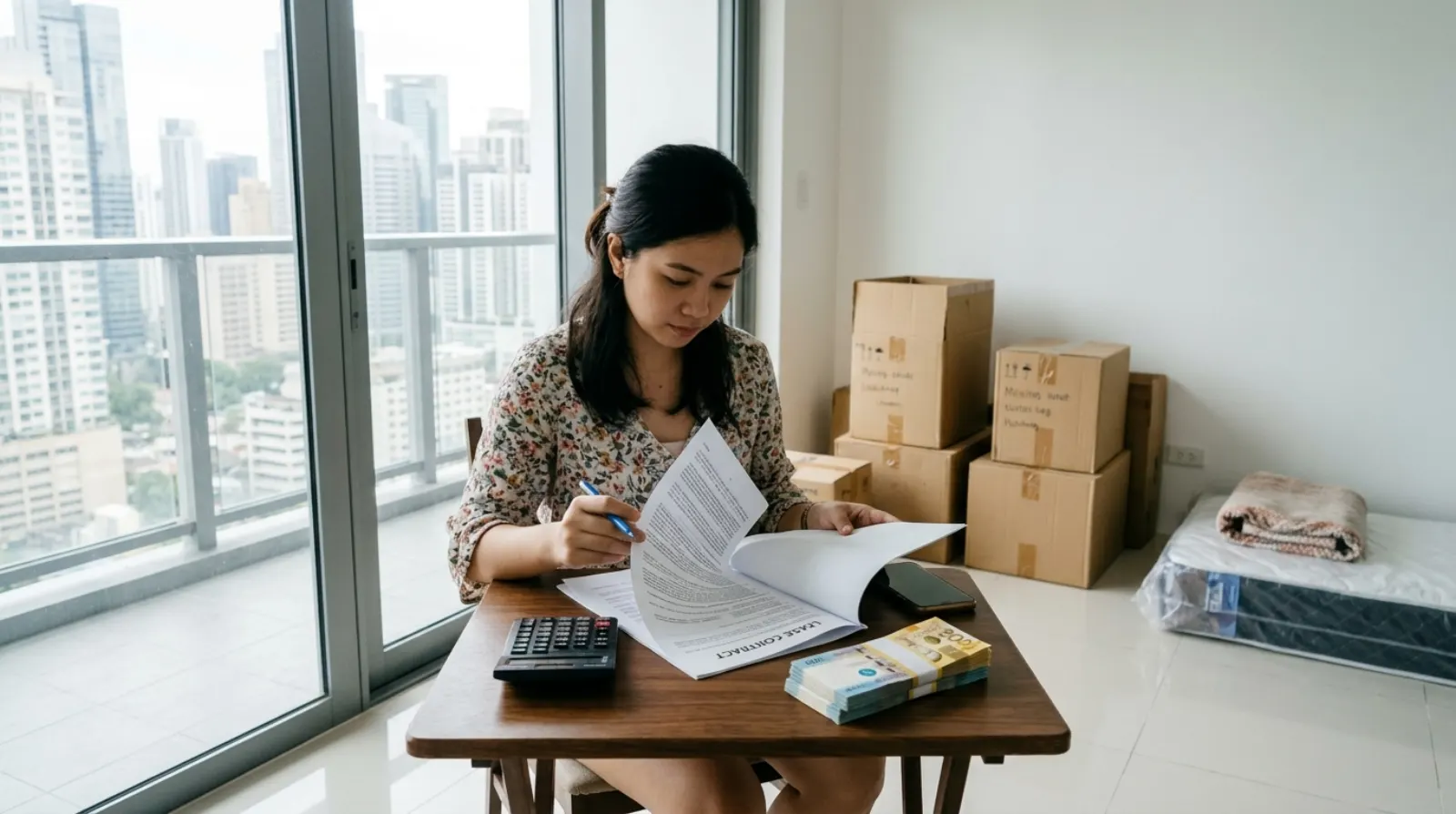
Yes. Leasing is a contract governed by the Civil Code, and the basic lease rules apply whether the tenant is Filipino or foreign. Landlords and condo administrators will typically ask for:
- Passport with your latest arrival stamp or visa.
- Proof of legal stay, such as a visa extension receipt, an ACR I-Card, or a long-term visa.
- Proof of income: an employment contract or company letter, recent payslips, or bank statements for remote workers.
- Payment method: post-dated checks from a Philippine bank are common for condo leases. If you don't have a local checking account yet, ask to pay by bank transfer or online, or offer several months upfront.
- For company-leased units, the employer may sign as lessee or guarantor.
Expect the standard move-in package of one month advance and two months deposit, or more for premium or furnished units. Our advance and deposit guide breaks down the full move-in cost.
Can foreigners own property in the Philippines?
| Property type | Can a foreigner own it? | Rule |
|---|---|---|
| Land (house and lot) | No, except by hereditary succession | 1987 Constitution, Art. XII, Sec. 7 |
| Condo unit | Yes, within the building's foreign-ownership limit | Condominium Act (RA 4726): units can't be transferred to aliens if it would push foreign ownership beyond legal limits, commonly applied as at least 60% Filipino-owned and at most 40% foreign |
| Long-term lease of private land | Lease only, not ownership | Investors' Lease Act (RA 7652), amended by RA 12252 in 2025: qualified foreign investors with registered projects may lease private land up to 99 years in total |
| Residential lease (apartment, condo, house) | Yes, any foreigner can rent | Civil Code lease rules |
A former natural-born Filipino who lost citizenship may still acquire private land, subject to limits set by law (Constitution, Art. XII, Sec. 8). The 99-year lease under RA 12252 is meant for registered investment projects, not ordinary home rentals.
What visa do I need to rent long term in the Philippines?
A landlord can lease to you on any lawful status, but your lease shouldn't outlast your permitted stay. Common options:
Visa-free entry and tourist extensions
Nationals of countries on the visa-free list can enter for up to 30 days. A few nationalities get shorter or longer stays under specific arrangements, so check your passport's entry period with a Philippine embassy. The Bureau of Immigration (BI) can extend your stay, typically starting with a 29-day extension that brings you to 59 days, and then in further increments.
If your total stay goes beyond 59 days, BI generally requires an ACR I-Card (Alien Certificate of Registration Identity Card). Fees and the maximum cumulative stay depend on nationality and BI rules at the time, so confirm with the Bureau of Immigration before you sign a lease longer than your approved stay.
Long-stay visas
- Work visa (9(g)), usually sponsored by your Philippine employer.
- Spouse of a Filipino citizen (13(a)), a non-quota immigrant visa.
- Special Resident Retiree's Visa (SRRV), administered by the Philippine Retirement Authority.
- Other special visas for investors and specific programs.
Is there a Philippine digital nomad visa?
Executive Order No. 86, signed in 2025, authorizes the DFA to issue digital nomad visas for eligible remote workers. As of October 2026, no application route or implementing guidelines had been published on the DFA's e-visa portal. Check the DFA for an available route and ask the Bureau of Immigration which status permits your intended stay and work before signing a long lease.
Where do expats usually rent in the Philippines?
These are popular with foreign residents for walkability, international schools, offices and condo amenities. They're well known, not ranked:
- Bonifacio Global City (BGC): newer high-rises, walkable streets, many multinational offices.
- Makati CBD: Salcedo Village and Legaspi Village for walkable condo living near offices, Rockwell for a quieter enclave, and Poblacion for nightlife and a younger crowd.
- Alabang: villages and condos in the south, popular with families.
- Ortigas: a business district with more moderate condo rents.
- Cebu: Cebu IT Park and the Ayala Center Cebu area, plus beachside Mactan.
For a side-by-side look at the three Metro Manila business districts, read BGC vs Makati vs Ortigas. For Cebu, see the Cebu rental guide.
Step by step: renting your first place as a foreigner
- Book a short stay first. Spend your first two to four weeks in a serviced apartment or short-term rental. That gives you time to visit neighborhoods at rush hour and in the rain before you commit to a year.
- Shortlist by commute. Metro Manila traffic can turn a 5-kilometer trip into an hour. Live near your office or coworking space if you can, or near an MRT, LRT or P2P bus route.
- View in person. Check water pressure, aircon condition, the cellular and fiber signal, noise from the street, and how the building handles typhoons and brownouts.
- Verify the owner. Match the owner's ID to the CCT or title, or ask for a Special Power of Attorney if an agent or relative is renting it out.
- Negotiate and sign. Confirm the rent, advance, deposit, dues, lease length, early-termination terms, and who pays which utilities. Get the lease notarized and keep a copy.
- Register with the building. The property management office will usually need your passport copy, the lease and the owner's endorsement before move-in.
Short-term rental or a 1-year lease?
Short-term rentals are convenient for your first month, but nightly or weekly rates add up quickly over a long stay. A 1-year lease usually costs much less per month and gives you Civil Code protections as a lessee. If you're unsure how long you'll stay, ask for a 6-month lease with an option to renew, or a clear early-termination clause, for example forfeiting a set portion of the deposit with 60 days' notice.
Practical tips for expats renting in the Philippines
Furnished vs unfurnished
Expat-area condos are often offered "fully furnished" with an aircon, ref, washer, bed and basic kitchenware. "Semi-furnished" usually means aircon, ref and maybe a bed. Confirm the appliance list in a signed inventory.
Lease length
Standard leases run one year. Six-month leases are possible, often at a premium. Month-to-month arrangements exist, but under the Civil Code a lease with monthly rent and no fixed term runs month to month, which gives both sides less security.
Utilities and dues
Ask whether rent includes association dues, and how you'll pay electricity (Meralco in Metro Manila; Visayan Electric in much of Metro Cebu), water and internet. In many condos, bills stay in the owner's name and you reimburse them or pay the PMO.
Budgeting in pesos
Leases are almost always priced and paid in Philippine pesos. If your income is in another currency, build a buffer for exchange-rate swings. Use the rent calculator to test your budget and move-in cash.
Rent control and tenant rights
Most expat-area condos rent well above the ₱10,000 ceiling for rent control, so your increases and deposit terms are set by your contract. Civil Code protections still apply, including the rule that eviction requires a court process. See tenant rights in the Philippines.
Avoid scams aimed at newcomers
New arrivals are prime targets for fake listings that ask for deposits before a viewing. Never pay before you've seen the unit and verified the owner. Read how to avoid rental scams before you send money.
Can a foreigner be a landlord in the Philippines?
A foreigner who legally owns a condo unit can lease it out. Rental income in the Philippines is generally taxable, so register with the BIR. Our rental income tax guide explains the basics, and RentCircle for landlords handles listings, invoices, rent reminders and online payments, which helps if you manage the unit from abroad.
How we compiled this: Ownership rules come from the 1987 Constitution, RA 4726, RA 7652 and RA 12252. Visa information comes from Bureau of Immigration and DFA materials and reporting checked in October to November 2026. Neighborhood mentions are common expat choices, not rankings.
Moving to the Philippines? Browse rentals on RentCircle, message landlords directly with no commission, and ask about furnished options and lease length before you arrive.
Budgeting a move? Try the free rent & move-in cost calculator.
Browse live rentals
Real listings from verified landlords — inquire directly, no commission.
Frequently asked questions
Can foreigners rent an apartment in the Philippines?
Yes. There's no legal restriction on foreigners leasing apartments, condos or houses. Landlords usually ask for a passport, proof of legal stay and proof of income.
Can a foreigner buy a condo in the Philippines?
Yes. Under the Condominium Act (RA 4726), foreigners can own condo units as long as the transfer doesn't push foreign ownership in the project beyond the legal limit, commonly applied as 40%. Foreigners can't own land except by hereditary succession.
How long can a tourist stay in the Philippines to rent?
Visa-free nationals usually get 30 days on arrival and can apply to the Bureau of Immigration for extensions, starting with 29 days. An ACR I-Card is generally required once your total stay goes beyond 59 days.
Does the Philippines have a digital nomad visa?
Executive Order No. 86 (2025) created one, but as of October 2026, reports found no published application process, fees or guidelines on the DFA portal. Check the DFA for updates.
Can foreigners lease land long term in the Philippines?
Qualified foreign investors with registered projects can lease private land for up to 99 years in total under RA 12252, which amended the Investors' Lease Act in 2025. It's a lease right, not ownership.