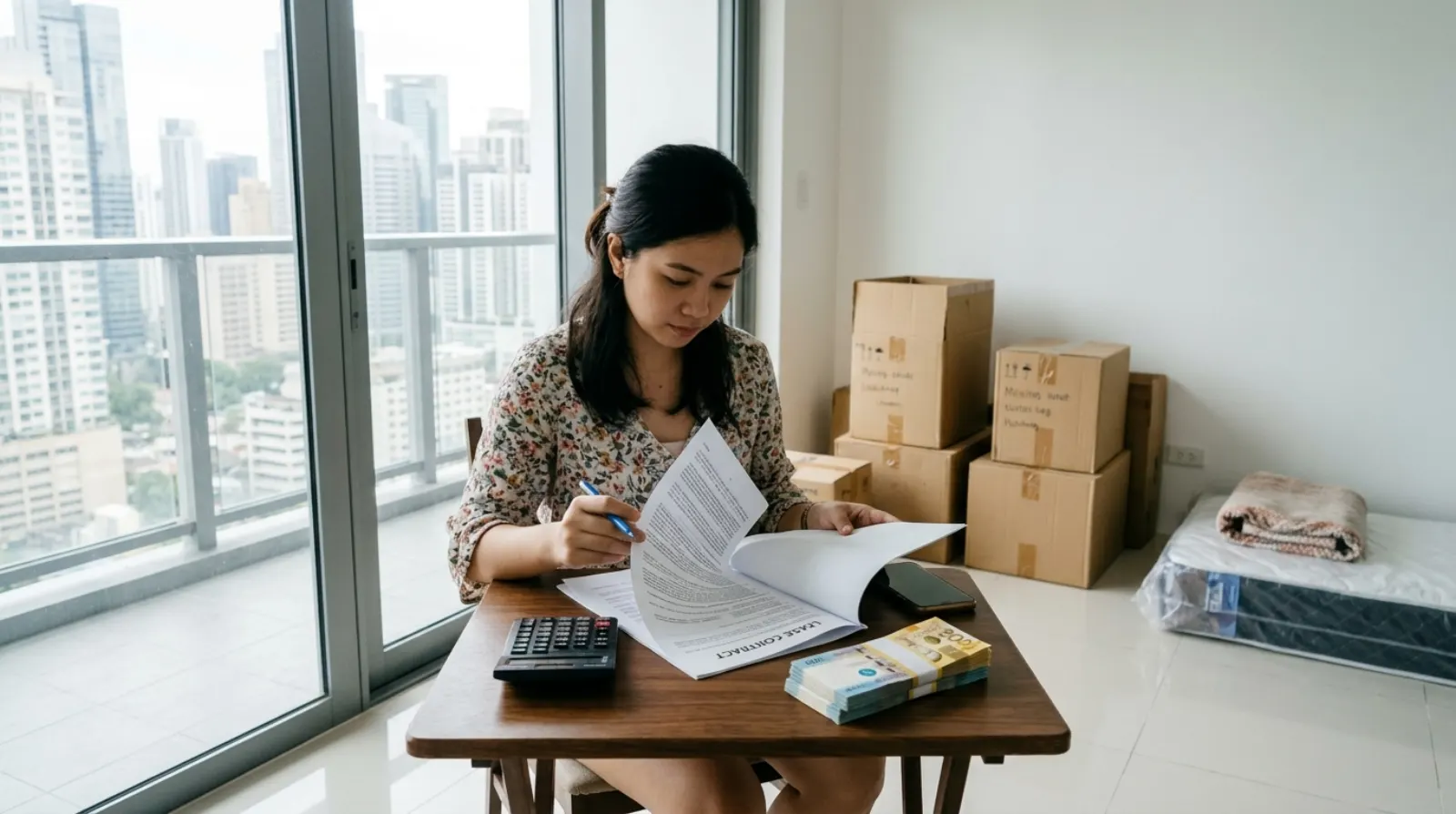
Tenant Rights in the Philippines: Rent Control Act and Civil Code Guide
Tenant rights in the Philippines come from two laws: the Civil Code, which covers every lease, and the Rent Control Act of 2009 (RA 9653), which adds extra protections for lower-rent residential units. As of November 2026, the reported rent-control resolution covers qualifying units renting at ₱10,000 a month or less, excluding units constructed after the resolution's approval and caps increases at 1% for 2026 for the same tenant. Whatever your rent, a landlord can't evict you without going to court.
Not legal advice. This is a plain-language summary of laws and resolutions as we found them in November 2026. Rent-control coverage and caps are set by housing-board resolutions that change, so confirm the current rule with DHSUD before relying on it. For a dispute, talk to your barangay, the Public Attorney's Office (PAO) if you qualify, or a private lawyer.
What is the Rent Control Act of 2009 (RA 9653)?
Republic Act No. 9653 regulates rent increases and certain lease terms for lower-priced residential units. As originally passed, it covered:
- Units in Metro Manila and other highly urbanized cities renting for ₱1 to ₱10,000 a month.
- Units everywhere else renting for ₱1 to ₱5,000 a month.
Residential units include apartments, houses, dormitories, rooms and bedspaces offered for rent. Hotels and motels are excluded. The law's original increase schedule ran until December 31, 2013. Since then, the housing authority (formerly HUDCC, now DHSUD through the National Human Settlements Board) has kept rent regulation going through resolutions.
Is the Rent Control Act still in effect in 2026?
Yes, through a resolution. Here's what we found as of November 2026:
| Year | Max yearly increase | Units covered | Basis |
|---|---|---|---|
| 2024 | 4% | ₱10,000/month or less | Earlier housing-board resolution |
| 2025 | 2.3% | ₱10,000/month or less (excl. units built after the resolution) | NHSB Resolution No. 2024-01 (DHSUD announcement, Jan 2025) |
| 2026 | 1% | ₱10,000/month or less (excl. units built after the resolution) | NHSB Resolution No. 2024-01 (as reported) |
| 2027 | Not yet announced | - | Check DHSUD for a new resolution |
Key points of the current resolution, as reported in legal commentaries:
- The cap only applies while the same tenant stays. When a unit becomes vacant, the landlord may set the initial rent for the next tenant.
- Boarding houses, dormitories, rooms and bedspaces for students can't have their rent raised more than once a year.
- Newly constructed units offered for lease after the resolution's approval are excluded.
- The cap is a ceiling. A landlord doesn't automatically get to raise rent by the full percentage, especially mid-contract.
The resolution, as reported, runs until December 31, 2026. If you're renewing for 2027, ask DHSUD or your city housing office whether a new resolution has been issued.
What rights do covered tenants have under RA 9653?
Limits on advance and deposit
Section 7 limits advance rent to one month and the deposit to two months. The deposit must be kept in a bank, and its interest goes back to you when the lease ends. Rent is due within the first five days of the month unless the contract says otherwise. See our advance and deposit guide for sample move-in budgets.
Ejectment only on specific grounds
Section 9 lists the grounds for judicial ejectment of a covered tenant:
- Subleasing or assigning the lease without the owner's written consent.
- Arrears in rent totaling three months. If the landlord refuses to accept your rent, the law lets you deposit it (consignation) in court, with the city or municipal treasurer, the barangay chairman, or a bank in the landlord's name, within one month of the refusal. After that, deposit each month's rent within the first 10 days.
- The owner's legitimate need to repossess the unit for their own or an immediate family member's home. The fixed lease term must have expired, the owner must give 3 months' formal notice, and they can't lease the unit to anyone else for at least one year after repossession.
- Necessary repairs to a unit under an existing condemnation order from the authorities. After repairs, the ejected tenant gets first preference to lease it again, at a rent reasonably commensurate with the repair cost.
- Expiration of the lease period.
Sale of the property is not a ground
Section 10 says a landlord or a new owner can't eject you just because the property was sold or mortgaged. This applies whether or not the lease or mortgage is registered.
No subleasing without consent
Section 8 bars assigning the lease or subleasing all or part of the unit without the owner's written consent.
Penalties for violators
Section 13 sets a fine of ₱25,000 to ₱50,000, imprisonment of one month and one day to six months, or both.
What rights do all tenants have under the Civil Code?
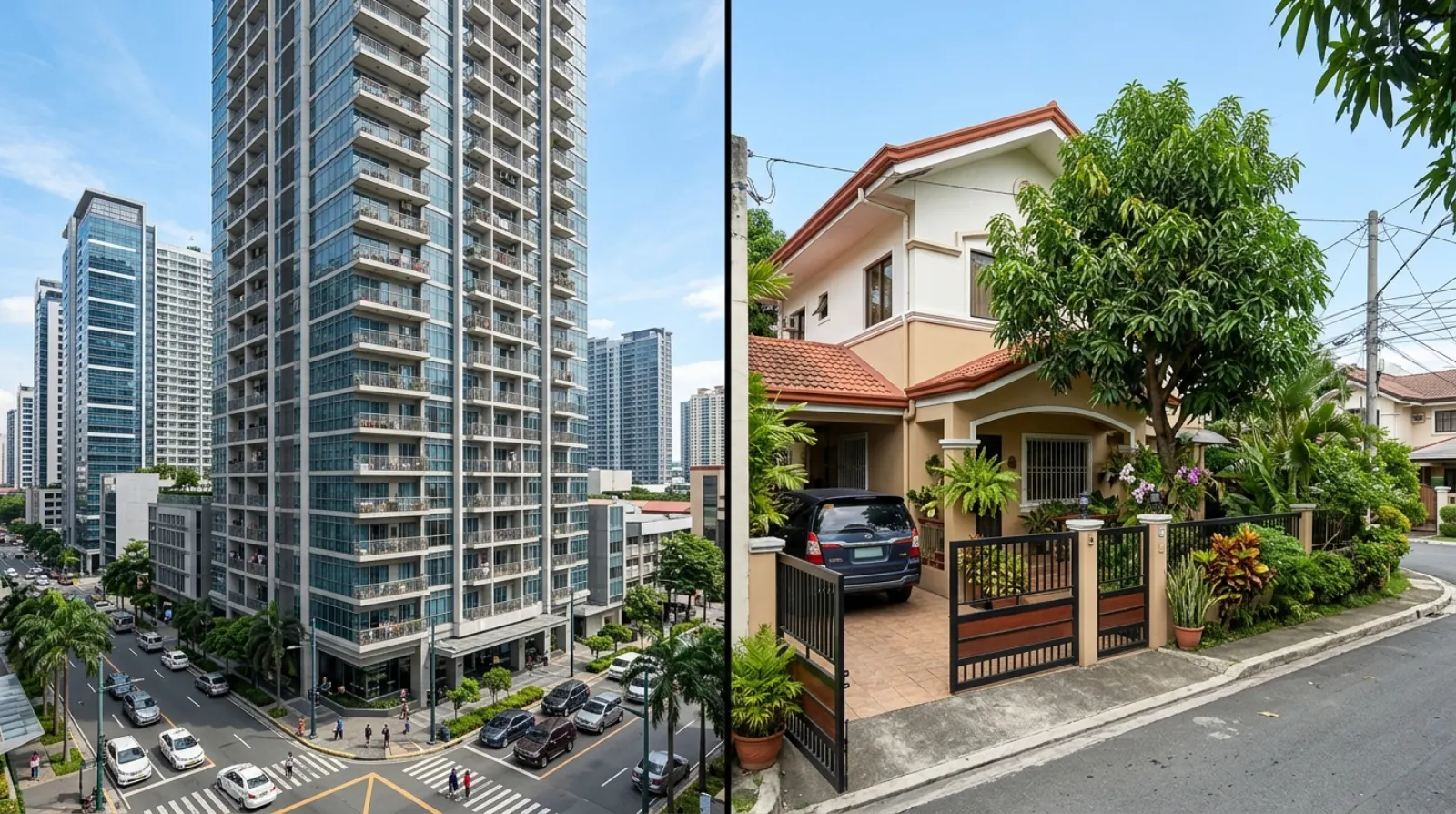
If your rent is above the covered ceiling, say a ₱30,000 condo in BGC, rent increases and deposits are governed by your contract. You still have these Civil Code protections (RA 386):
| Article | What it says (simplified) |
|---|---|
| 1654 | The landlord must deliver the unit fit for use, make necessary repairs during the lease (unless the contract says otherwise), and keep you in peaceful enjoyment of it. |
| 1657 | The tenant must pay rent as agreed, use the unit with care for its agreed purpose, and pay for the deed of lease. |
| 1658 | You may suspend rent if the landlord fails to make necessary repairs or to keep you in peaceful enjoyment of the unit. |
| 1660 | If a dwelling is in a condition that seriously endangers life or health, you may end the lease at once by notifying the landlord. |
| 1663 | You must promptly tell the owner about needed repairs. |
| 1670 | If you stay 15 days past the lease end with the landlord's acquiescence and no prior notice, an implied new lease arises on the same terms, but month-to-month if rent is monthly. |
| 1673 | The landlord may judicially eject a tenant for lease expiry, non-payment, violating the contract, or damaging misuse of the unit. |
| 1687 | With no fixed term, a lease with monthly rent runs month to month. |
Note that suspending rent under Article 1658 is a serious step. Notify the landlord in writing first, keep proof, and get legal advice, because withholding rent without a solid basis can itself become a ground for ejectment.
Can a landlord evict a tenant without a court order in the Philippines?
No. Article 536 of the Civil Code says possession can't be taken by force or intimidation when the occupant objects. A person who claims the right to recover property must go to court. In practice, that means changing the locks, removing your belongings, or cutting your water or electricity to force you out are not lawful substitutes for an ejectment case. A landlord who does these things may face civil and even criminal liability.
How the legal eviction process works
- Written demand. The landlord sends a demand to pay or comply and to vacate. Under Rule 70 of the Rules of Court, an unlawful detainer case for a building can be filed if the tenant doesn't comply within 5 days of the demand (15 days for land).
- Barangay conciliation. If you and the landlord live in the same city or municipality, the dispute generally goes to the Lupon Tagapamayapa first under the Katarungang Pambarangay law. A certificate to file action is usually needed before going to court.
- Unlawful detainer case in the Municipal or Metropolitan Trial Court, filed within one year from the last demand.
- Judgment and writ of execution. Only a sheriff acting on a court writ can physically remove you.
How much can a landlord increase rent in the Philippines?
- Covered units (₱10,000 or less, excluding units constructed after the resolution's approval): up to 1% in 2026 for the same tenant, as reported under the current resolution. Boarding houses and student dorms get one increase a year at most.
- Above the ceiling: whatever the contract allows. During a fixed-term lease, the landlord generally can't raise rent unless the contract has an escalation clause, commonly 5–10% a year in Metro Manila condo leases. At renewal, the new rent is a fresh negotiation.
Use the rent calculator to see whether a proposed renewal rate still fits your budget, and compare it with current asking rents in the Metro Manila rental price guide.
Tenant responsibilities: the other half of the deal
- Pay rent on time and keep receipts or bank records of every payment.
- Use the unit for its agreed purpose. Running a business, short-term rental or boarding house without consent can breach the lease.
- Report needed repairs promptly and in writing (Article 1663).
- Answer for damage you, your household or guests cause (Articles 1667–1668), except damage from natural calamities like floods.
- Follow building, HOA and barangay rules that the lease incorporates.
- Give the notice your contract requires before moving out.
Where can tenants get help?
- Your barangay, for mediation and conciliation of most landlord-tenant disputes.
- DHSUD, for questions on the current rent-control resolution and coverage.
- The Public Attorney's Office (PAO), for free legal assistance if you meet its indigency criteria.
- A private lawyer or IBP legal aid chapter, for contract review before signing or for court cases.
Before you sign, the best protection is a clear written lease. Our rental scam guide covers how to confirm you're dealing with the real owner, and the typhoon and flood checklist covers what to ask about repairs after storms.
Looking for a landlord who puts everything in writing? Browse rentals on RentCircle and message owners directly. If you're a landlord, RentCircle for landlords sends invoices, rent reminders and receipts, so both sides have a clear record of every payment.
Budgeting a move? Try the free rent & move-in cost calculator.
Browse live rentals
Real listings from verified landlords — inquire directly, no commission.
Frequently asked questions
Is the Rent Control Act still in effect in 2026?
Yes. Rent regulation under RA 9653 has been extended by housing-board resolutions. As reported, NHSB Resolution No. 2024-01 covers qualifying residential units renting at ₱10,000 a month or less, excluding units constructed after the resolution's approval through December 31, 2026.
How much can my landlord raise the rent in 2026?
For qualifying units renting at ₱10,000 or less (excluding units constructed after the resolution's approval), the reported cap for 2026 is 1% while the same tenant stays. For higher-rent units, increases depend on your contract and renewal negotiations.
Can my landlord evict me without a court order?
No. Philippine law requires the landlord to go to court through an ejectment case. Self-help measures such as padlocking the unit or cutting utilities to force you out are not lawful substitutes.
How many months of unpaid rent before a landlord can evict?
For covered units under RA 9653, arrears totaling three months are a ground for judicial ejectment. For other leases, any non-payment of rent can be a ground under Article 1673 of the Civil Code, but the landlord must still go through the courts.
Can a new owner evict me if the property is sold?
For units covered by RA 9653, sale or mortgage of the property is not a ground for ejectment. For other leases, your lease terms and the Civil Code rules on registered and unregistered leases apply, so get legal advice.