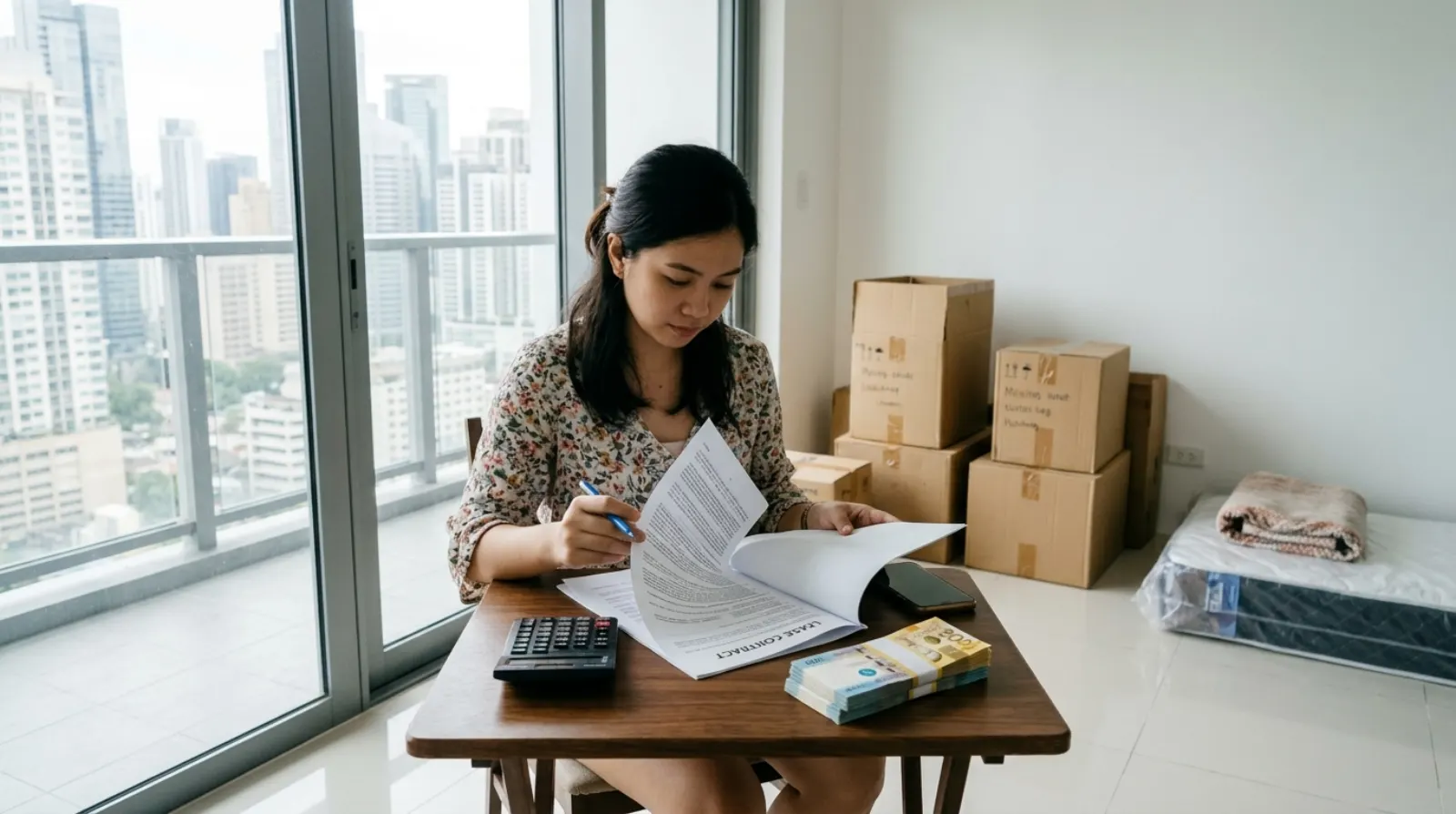
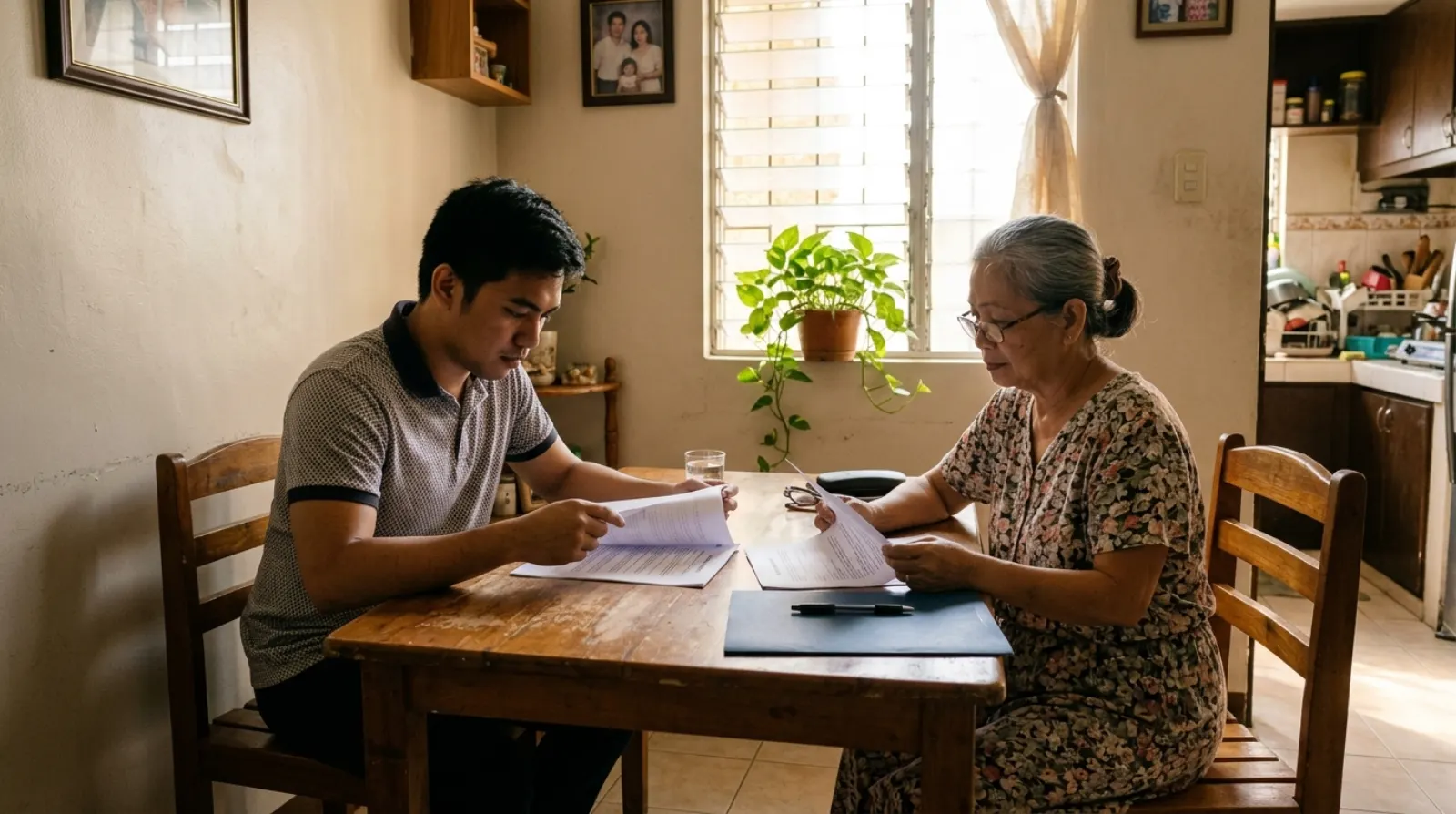
Condo vs House Renting in the Philippines: Costs, Rules, and Who Each Suits
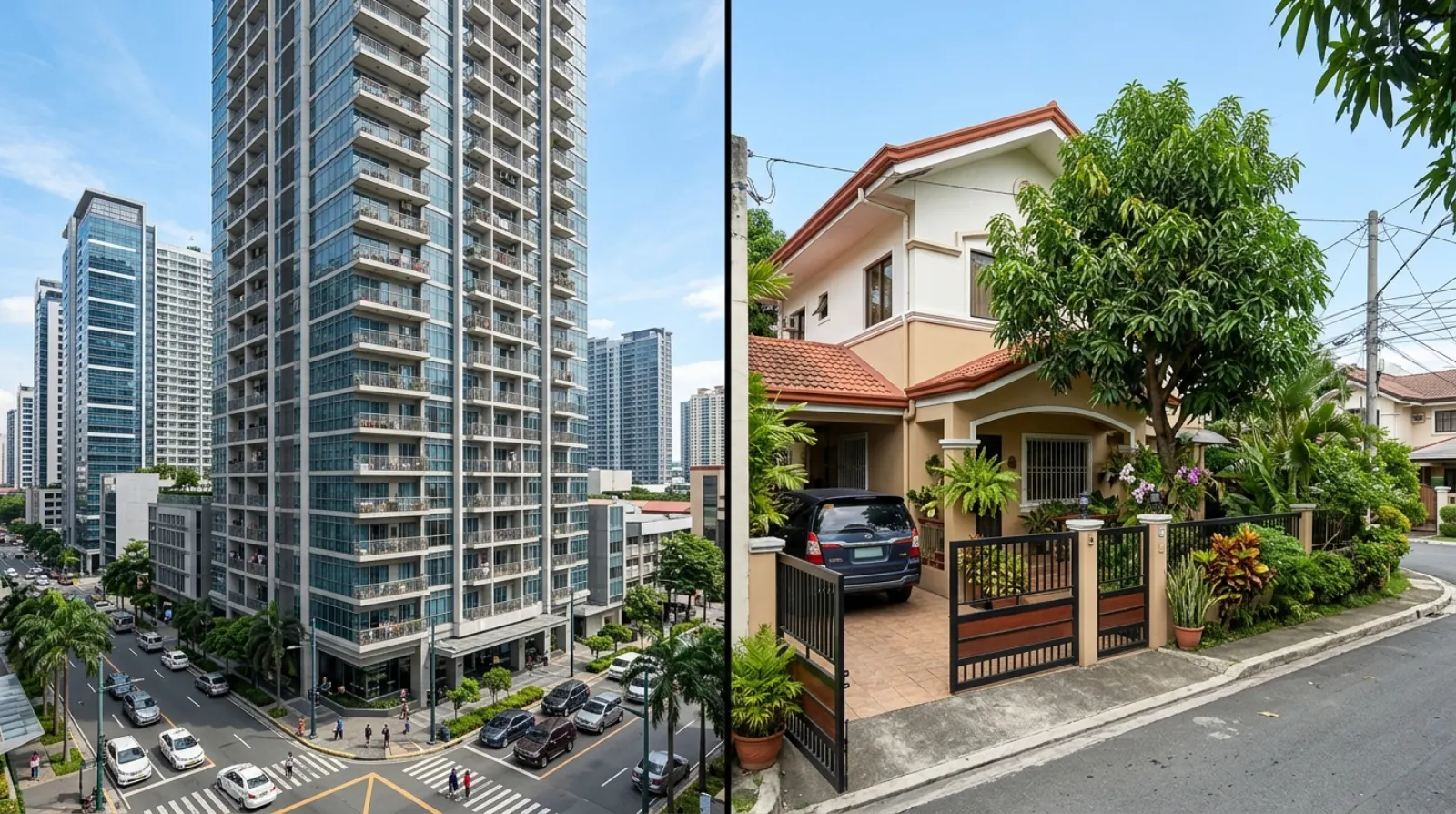
Condo vs house renting in the Philippines comes down to one trade-off: a condo gives you location, security, and amenities in a smaller space with stricter rules, while a house gives you more room, a garage, and freedom (pets, guests, renovations) at the cost of a longer commute and more maintenance. Singles and couples who work in a CBD usually save time with a condo; families with kids, cars, or pets usually get more value from a house.
This guide breaks down the real costs, rules, and risks as of November 2026, so you can decide before you start viewing units.
Condo vs house renting in the Philippines: quick comparison
| Factor | Condo | House (incl. townhouse) |
|---|---|---|
| Location | Usually in or near CBDs, malls, MRT/LRT lines | Usually in subdivisions or residential barangays further out |
| Space | Studios ~18–30 sqm; 1BR ~30–50 sqm | Often 60–200+ sqm with yard or carport |
| Security | Lobby guards, CCTV, access cards | Village guards in gated subdivisions; varies a lot outside |
| Amenities | Pool, gym, function rooms (often with booking rules) | Clubhouse/park in some subdivisions; private yard |
| Parking | Usually a separate slot rental, if available | Garage or carport often included |
| Pets | Depends on the building's house rules; many are not PET-friendly | Usually up to the landlord |
| Monthly extras | Association dues (often charged to the tenant or built into rent) | HOA dues (if any), garbage, water pump/tank upkeep |
| Maintenance | Building handles common areas | More falls on landlord or tenant |
| Flood exposure | Upper floors stay dry, but streets and basements may flood | Ground-level homes are more exposed in flood-prone areas |
Is it cheaper to rent a condo or a house in the Philippines?
Per square meter, houses are usually cheaper. A ₱25,000 budget in a central Metro Manila district might get you a studio or small 1BR condo; the same amount further out can get you a 2–3 bedroom townhouse or house in a subdivision. But the headline rent is not the full cost.
Hidden costs of renting a condo
- Association dues – the condominium corporation charges unit owners monthly dues. Some landlords include them in rent; others pass them to you. Always ask.
- Parking – often rented separately per slot.
- Move-in and move-out fees, gate passes, and deposits – many buildings require permits and sometimes a refundable bond for moving in.
- Electricity – small units with aircon running all day can still produce a high Meralco bill.
Hidden costs of renting a house
- Commute – fuel, tolls, Grab rides, or longer jeep/P2P trips can wipe out the rent savings.
- Utilities – more rooms usually means higher electricity; some houses need water tanks and pumps.
- Repairs – leaks, termites, and clogged drains happen. Put in the contract who pays for what.
- HOA dues and stickers – some subdivisions charge residents for car stickers or village dues.
Run both scenarios through the rent calculator to compare total monthly cost and move-in cash, not just rent. For typical rents by city, see the Metro Manila rental price guide.
Rule of thumb, not a statistic: the rent figures in this guide are indicative examples for planning. Prices vary widely by city, building, furnishing, and season, so confirm with live listings.
Who should rent a condo?
A condo usually makes sense if you:
- Work in or near a CBD like Makati, BGC, Ortigas, or Cebu IT Park and want to walk or take a short ride.
- Live alone or as a couple and don't need much storage.
- Value 24/7 lobby security and having maintenance handled by the building admin.
- Want a gym or pool without paying for a separate membership.
- Prefer a furnished unit you can move into with a suitcase.
Browse condos for rent in Makati, BGC, or Ortigas.
Who should rent a house?
A house is usually the better fit if you:
- Have kids, elderly parents, or a household helper who needs a room.
- Own a car (or two) and want parking without a monthly slot fee.
- Have dogs or cats and can't find a PET-friendly condo.
- Work from home and want a separate office room.
- Run a small home business (check subdivision rules first—many restrict commercial use).
Browse houses for rent in Quezon City or Alabang. If you're choosing between townhouses, duplexes, and single-detached homes, read our townhouse vs single-detached house guide.
What rules apply when renting a condo?
Condos in the Philippines are governed by the Condominium Act (Republic Act No. 4726) and by each project's master deed, by-laws, and house rules, which the condominium corporation enforces. As a tenant you are usually bound by those house rules through your lease. Common rules include:
- Registering as a tenant with the admin office and getting a resident ID or access card.
- Pet policies (allowed, size-limited, or banned).
- Limits on guests, visitor IDs, and overnight stays.
- Bans on short-term or Airbnb-style rentals in some buildings.
- Renovation and move-in permits with set hours.
- Rules on cooking smells, smoking, balcony use, and drying laundry.
Ask the landlord for a copy of the house rules before you sign. A cheap unit isn't a good deal if the building won't allow your pet.
What rules apply when renting a house in a subdivision?
Subdivisions with a homeowners' association (HOA) are covered by the Magna Carta for Homeowners and Homeowners' Associations (Republic Act No. 9904), and the HOA's by-laws and deed restrictions. Tenants don't vote in the HOA, but you'll still follow its rules on things like:
- Car stickers and gate passes for guests and deliveries.
- Curfews or restricted entry hours for non-residents.
- Noise, parties, and construction hours.
- Restrictions on businesses, boarding houses, or signage.
Outside subdivisions, houses on regular barangay streets have fewer rules but less security. Ask about the area at night and how far the barangay hall and nearest police station are.
Not legal advice. This guide summarizes general rules for planning. For questions about your lease, rent increases, or deposits, read our tenant rights and Rent Control Act guide or consult a lawyer.
How do lease terms differ between condos and houses?
The lease itself looks similar for both—usually a one-year contract with advance rent and a security deposit—but a few details tend to differ:
- Furnishing. Condos, especially studios and 1BRs near CBDs, are often offered furnished or semi-furnished (bed, sofa, aircon, ref). Houses are more often unfurnished or only have aircon and kitchen cabinets.
- Inventory list. With a furnished condo, sign an itemized inventory with photos on move-in day so deductions from your deposit are clear later.
- Building requirements. Condo admins may ask for a copy of the lease, IDs of all occupants, and a move-in permit before you can bring in furniture.
- Repairs. In a house, you may deal directly with the landlord for everything from a busted water pump to a leaking roof. Agree on a response time and who pays for minor versus major repairs.
- Payment. Many landlords still ask for post-dated cheques; others accept bank transfer or e-wallets. If your landlord uses a tenant portal, you can pay and get receipts online.
Whichever you choose, ask for the exact move-in amount in writing and read our advance and deposit guide before paying.
Condo or house: which is safer during typhoons and floods?
Neither is automatically safer. A condo on the 15th floor will stay dry, but if the lobby, basement parking, or street floods, you may still be stuck, and power outages can stop elevators and water pumps. A house on high ground in a well-drained subdivision can be very safe, while a bungalow in a low-lying barangay may take on water every rainy season.
Before signing either:
- Check the address on HazardHunterPH, the government hazard-assessment tool.
- Ask the guard or neighbors how high the water reached in past typhoons.
- For condos, ask whether the building has a generator for elevators and water pumps.
- For houses, look for water marks on walls and gates, and check the drainage outside.
Condo vs house for expats and foreigners
Foreigners can rent either a condo or a house. On the ownership side, foreigners may own condo units only within the limit that foreign ownership in a project does not exceed 40%, and generally cannot own land, which is why many expat-friendly rentals are condos owned by Filipinos or foreigners. For tenants, that mostly doesn't matter, but it explains why furnished, expat-oriented supply is concentrated in condo towers in Makati, BGC, and Cebu.
Decision checklist
- How long is my daily commute from each option, door to door, at rush hour?
- Do I need parking? How much does a slot cost in the condo?
- Are association or HOA dues included in rent?
- Are pets allowed in writing?
- Who pays for repairs and appliance breakdowns?
- How much do I need upfront (advance, deposit, move-in fees)?
- Is the area flood-prone?
Start your search
On RentCircle you can filter by unit type, message landlords directly, and ask about dues, pets, and parking before you visit—no agent commission. Browse condos and houses for rent.
Budgeting a move? Try the free rent & move-in cost calculator.
Browse live rentals
Real listings from verified landlords — inquire directly, no commission.
Frequently asked questions
Is it better to rent a condo or a house in the Philippines?
It depends on your household. Condos suit singles and couples who want to live near work with building security, while houses suit families, car owners, and pet owners who need space.
Who pays condo association dues, the tenant or the landlord?
The unit owner is billed by the condominium corporation, but many leases pass the dues to the tenant or build them into the rent. Confirm this in writing before signing.
Are pets allowed in Philippine condos?
It depends on each building’s house rules. Some are PET-friendly with size or breed limits, others ban pets entirely, so ask for the house rules before paying a deposit.
Can foreigners rent a house in the Philippines?
Yes. Foreigners can lease houses and condos; ownership restrictions on land and the 40% foreign cap on condo projects apply to buying, not renting.
Is a condo safer than a house during floods?
Upper-floor condo units stay dry, but flooded streets, basements, and power outages can still disrupt you. A house on high ground can be just as safe, so check the specific address on a hazard map.