Landlord–Tenant Relationship Tips: How to Build Trust in the Philippines
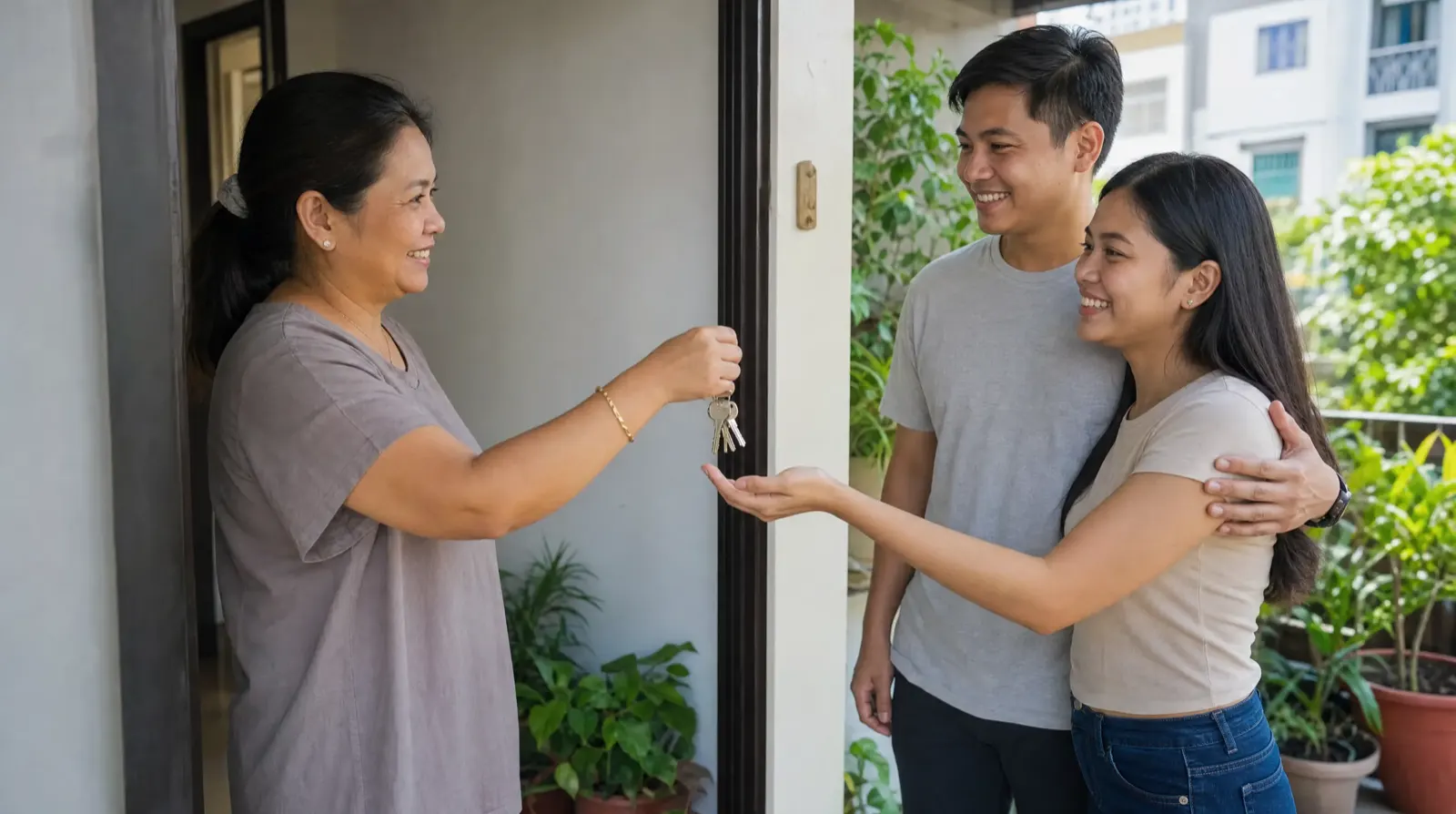
A good landlord–tenant relationship pays off for both sides. Landlords get renewals, fewer vacancies, better care of the unit and fewer disputes. Tenants get faster repairs, fair treatment at renewal, a smooth deposit refund and a good reference for their next place. You build it with a clear contract, predictable communication, receipts for everything, respectful entry and late-payment handling that is kind but firm.
This guide is for both landlords and tenants in the Philippines, as of November 2026. It covers why the relationship matters, the habits that build it, and what to do when things go wrong, including barangay conciliation under the Katarungang Pambarangay system.
Quick answer: Put everything important in writing. Agree on how and when you'll communicate. Respond to repairs within a set time. Issue and keep receipts. Give notice before entering. Treat late payments as a conversation first and a written process second. If a dispute can't be settled, barangay conciliation is often a required first step before court.
Why does a good landlord–tenant relationship matter?
For landlords
- Renewals beat re-letting. Every turnover means vacant weeks, cleaning, repainting, marketing and the risk of a worse tenant. A tenant who renews for another year is usually your most profitable tenant. Run the numbers on vacancy in the rent calculator.
- Problems get reported early. Tenants who trust you tell you about the small leak before it becomes a ceiling collapse.
- Payments are more reliable. People prioritize the bills of people they respect.
- Fewer disputes at move-out. Clear records and goodwill make deposit deductions easier to agree on.
For tenants
- Faster repairs and more willingness from the landlord to upgrade things.
- Fairer renewals. Landlords are more flexible on increases for tenants they want to keep.
- A smoother deposit refund.
- A strong reference for your next rental, which matters when landlords screen. See tenant red flags and green flags for what landlords look for.
How do you build a good relationship with your tenant (or landlord)?
1. Start with a clear, complete contract
Most fights trace back to something that was never written down. A good lease covers rent and due date, payment methods, term and renewal, advance and deposit and how the deposit is returned, who pays which utilities and repairs, house rules, subleasing (which needs written consent under RA 9653), and entry notice. For covered units, the Rent Control Act limits advance to one month and deposit to two months. Our complete landlord checklist lists every clause. Tenants can check their side in the tenant rights guide.
2. Agree on communication norms on day one
| Topic | Suggested norm |
|---|---|
| Channel | One agreed channel for official matters (app inbox, SMS or email), not five different chats |
| Hours | Non-urgent messages answered during the day; emergencies anytime |
| What counts as an emergency | Major leak, no water, electrical sparking, security breach, fire |
| Announcements | Building-wide notices (water interruptions, fumigation) posted in one place |
| Language and tone | Polite, brief, in writing for anything involving money or dates |
RentCircle's landlord–tenant inbox chat keeps official conversations in one thread per tenant. Announcements reach every tenant at once, so nothing gets buried in a group chat.
3. Set and keep repair response times
Under the Civil Code, the lessor must make the necessary repairs to keep the place suitable for its use. The lessee must tell the lessor promptly when urgent repairs are needed. Turn that into a promise you can keep:
- Emergencies: acknowledge immediately; get someone there the same day if at all possible.
- Urgent but not dangerous (broken aircon in summer, clogged toilet): acknowledge the same day, fix within a few days.
- Routine (loose cabinet hinge): acknowledge within a day, schedule within a couple of weeks.
Logging maintenance requests with photos and status, instead of scattered messages, means neither side has to ask "ano na po update?" every day.
4. Receipts for everything, every time
A receipt protects the tenant who paid and the landlord who received the money. Issue one for every advance, deposit, monthly rent and partial payment. Keep copies for tax time too; see our rental income tax guide. RentCircle issues invoices and branded PDF receipts automatically. Tenants can see their balance and history in the PayRent.to tenant portal, which stops most "bayad na po ako" disputes before they start.
5. Respect privacy and give notice before entering
The landlord owns the unit, but the tenant is entitled to peaceful enjoyment of it during the lease. Good practice:
- Give advance notice, often 24 hours or more and ideally in writing, for inspections, repairs or viewings by prospective tenants.
- Agree on reasonable times, not early mornings or late nights.
- Enter without notice only in a genuine emergency, and tell the tenant right after.
- Put the notice period in the contract so it isn't a matter of opinion.
6. Handle late payments kindly but firmly
Life happens: a delayed salary, a hospital bill, a family emergency. How you handle the first late payment sets the tone for the whole tenancy.
- Prevent it. Send a reminder before the due date. Automatic SMS and email reminders do this without awkwardness.
- Ask, don't accuse. "Hi, napansin ko hindi pa pumapasok ang rent for this month. Okay lang po ba lahat?" opens a conversation instead of a fight.
- Agree on a plan in writing. If they can pay part now and the rest by a set date, record it. Then track the balance carried forward so nobody forgets.
- Apply the contract consistently. If the lease has a late fee, apply it the same way to everyone.
- Escalate step by step. Reminder, then a polite written notice, then a formal demand letter. Under RA 9653, arrears of three months are one of the grounds for judicial ejectment for covered units. Eviction still requires a court case, not changing the locks or cutting utilities.
Tenants: if you know you'll be late, say so before the due date. Landlords are far more forgiving of an early heads-up than of silence.
Not legal advice. This guide summarizes general rules under RA 9653, the Civil Code and the Local Government Code as of November 2026. Each dispute depends on its facts. Consult your barangay, the Public Attorney's Office or a lawyer for your situation.
How do you resolve a landlord–tenant dispute in the Philippines?
Talk first, then put it in writing
Most disputes over repairs, deductions or noise can be fixed with one calm conversation. Follow it with a written summary of what you agreed. If that fails, send a formal letter that lays out the issue, what you're asking for and a reasonable deadline.
Barangay conciliation (Katarungang Pambarangay)
Under the Local Government Code (RA 7160), disputes between individuals who actually live in the same city or municipality generally must go through the barangay's Lupong Tagapamayapa before they can be filed in court, with some exceptions. In practice:
- The complainant files at the barangay, and the punong barangay first tries to mediate.
- If that fails, a conciliation panel (pangkat) hears both sides.
- An amicable settlement signed at the barangay is binding.
- If no settlement is reached, the barangay issues a Certificate to File Action, which is generally needed before filing a covered case in court, such as an ejectment case.
- Exceptions exist. For example, a party that is a corporation, or parties living in different cities or municipalities (unless their barangays adjoin and they agree), may fall outside mandatory conciliation. Ask the barangay or a lawyer.
The barangay route is free or low-cost, faster than court, and often preserves the relationship. That's why it exists.
Court as a last resort
If conciliation fails, ejectment cases (unlawful detainer) go to the first-level courts under Rule 70 of the Rules of Court, after a proper demand. It's slower and costlier for both sides, which is another reason to invest in the relationship early.
Small habits that make a big difference
- Landlords: greet tenants by name, thank them for paying on time, fix things before being asked twice, and give a small gesture at Christmas. Our landlord Christmas wishlist has ideas.
- Tenants: pay on time, report problems early with photos, follow building rules, and leave the unit as you found it.
- Both: keep it professional on social media. Never post a dispute publicly before you've talked privately.
Every relationship is different. For more on personalities and styles, see types of landlords and types of tenants in the Philippines.
Make the good habits automatic
Most relationship-building is consistency: reminders on time, receipts every month, repairs tracked, messages answered. RentCircle handles that routine for landlords. It covers tenant records, invoices and receipts, SMS and email reminders, partial-payment tracking, online rent payments and the PayRent.to tenant portal, payment-proof verification, maintenance requests, inbox chat and announcements. Download RentCircle on the App Store, Google Play or the web. Every new landlord account starts with a 7-day free trial, no card needed. Looking for a place with a landlord you can talk to directly? Browse rentals on rentcircle.ph.
Budgeting a move? Try the free rent & move-in cost calculator.
For property owners
Own a unit here? List it free and find a tenant directly.
Post up to 3 listings free, with no commission. Renters message you directly. When someone moves in, try the RentCircle app free to send invoices, rent reminders and collect payments.
Browse live rentals
Real listings from verified landlords — inquire directly, no commission.
Frequently asked questions
Why is a good landlord–tenant relationship important?
For landlords it means renewals, fewer vacancies, earlier problem reports and fewer disputes. For tenants it means faster repairs, fairer renewals, a smoother deposit refund and a good reference.
Can a landlord enter the unit without permission in the Philippines?
Tenants are entitled to peaceful enjoyment of the unit during the lease, so landlords should give advance notice and agree on reasonable times, entering without notice only in a genuine emergency. Put the notice period in the contract.
What should a landlord do if a tenant is late on rent?
Remind before the due date, ask kindly when payment is late, agree on a written payment plan and track the balance, then escalate step by step to a formal demand. Eviction requires a court case; for covered units, three months of arrears is a ground under RA 9653.
Do landlord–tenant disputes have to go to the barangay first?
Generally yes, if both parties are individuals who actually live in the same city or municipality; the Local Government Code requires barangay conciliation before filing in court, with exceptions. If no settlement is reached, the barangay issues a Certificate to File Action.
How can landlords avoid payment disputes with tenants?
Issue a receipt for every payment, record partial payments and balances, and give tenants a way to see their own payment history. Rental apps like RentCircle do this automatically.
What renters & landlords are saying
Share your experience with “Landlord–Tenant Relationship Tips: How to Build Trust in the Philippines” — rent you pay, commute tips, what to watch out for.