OFW Landlord Guide: How to Rent Out Your Philippine Property from Abroad
Yes, OFWs can rent out a condo or house in the Philippines while living abroad. The essentials are: a trusted local representative with a properly executed special power of attorney (SPA), a written lease, BIR registration because rent from Philippine property is taxable Philippine-source income even for an OFW, and a reliable way to collect rent and track expenses remotely. This guide walks through each step as of November 2026.
Not legal or tax advice: This is general information as of November 2026. Tax rules and agency procedures change. Confirm your situation with the BIR, your Revenue District Office, a licensed accountant or a lawyer before you act.
Step 1: Decide who will represent you in the Philippines
You will need someone on the ground to show the unit, hand over keys, deal with the condo admin or homeowners' association, and handle repairs. The usual options:
| Option | Pros | Cons |
|---|---|---|
| Family member or trusted friend | Low or no cost, personal trust | May lack time or expertise; family friction if issues arise |
| Licensed real estate broker | Marketing reach, tenant sourcing | Commission, usually per lease; not always hands-on after move-in |
| Property management company | Handles tenants, repairs, collections | Monthly fee; quality varies — ask for references and a written scope |
| Condo admin "rental desk" | Convenient for condos | Limited services; check what they actually do |
Whoever you choose, put the arrangement in writing: what they can do, what they cannot do, how they report to you, and how they are paid.
Step 2: Execute a special power of attorney (SPA)
Under Article 1878 of the Civil Code of the Philippines, a special power of attorney is required for an agent to lease real property to another person for more than one year. Even for shorter leases, condo administrators, banks and utilities commonly ask for an SPA before they deal with your representative.
What the SPA should cover
- Your full name, the representative's full name, and both IDs.
- The specific property (title or condo certificate number, address, unit number, parking slot).
- Specific powers: sign and renew leases, receive rent and deposits, issue receipts, deal with the condo corporation or HOA, arrange repairs, pay dues and utilities, and represent you at the barangay if a dispute arises.
- Limits: for example, no power to sell or mortgage the property.
- Validity period, if you want one.
Getting the SPA recognized from abroad
The Philippines joined the Apostille Convention, effective May 14, 2019. In practice:
- If you live in a country that is also party to the Apostille Convention: sign the SPA before a local notary, then have it apostilled by that country's competent authority.
- Otherwise: have the SPA acknowledged or authenticated at the nearest Philippine Embassy or Consulate.
Requirements differ by country and post, and some banks or condo corporations add their own rules (for example, wanting a recently dated SPA). Check with your Philippine Embassy or Consulate first.
Step 3: Prepare the property and set the rent
- Check condo or HOA rules. Many buildings require tenant registration, move-in fees, gate passes and IDs. Some restrict short-term rentals.
- Fix before you list. Leaks, aircon servicing, pest control and repainting reduce vacancy and deposit disputes.
- Document the condition. Ask your representative for dated photos and a video walkthrough, plus an inventory of furniture and appliances.
- Price realistically. Compare with similar live listings in the same building or area on RentCircle, and use the landlord yield mode of the rent calculator to see your net return after dues, taxes and vacancy. Our guide on how to price a rental and screen tenants goes deeper.
Step 4: Find and screen tenants from abroad
You can review inquiries yourself, even across time zones, and let your representative handle viewings.
- List the property with clear photos, the full monthly cost (rent, dues, parking), and lease terms.
- Ask applicants for a valid ID, proof of income (COE, payslips or business documents) and references from previous landlords.
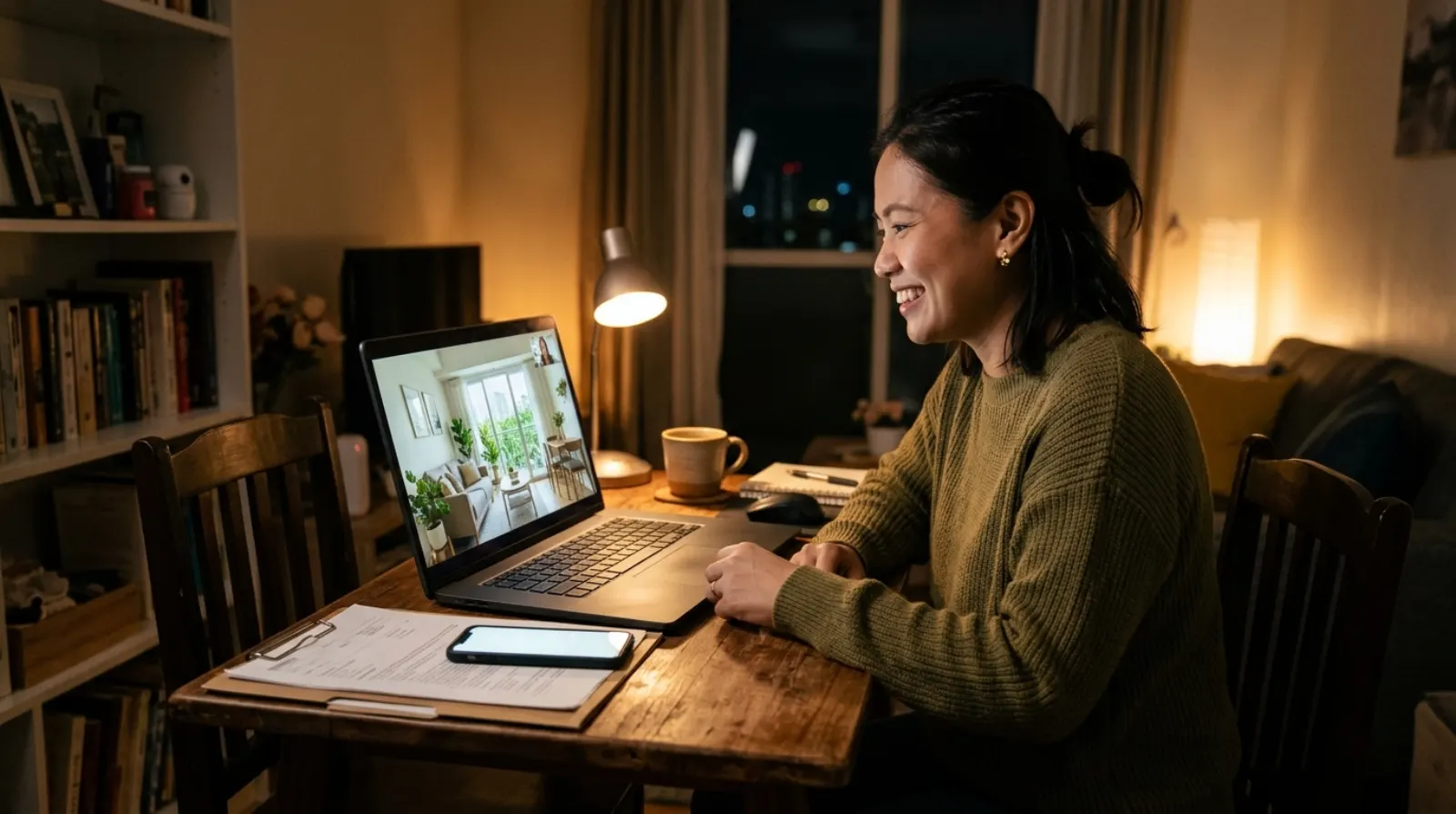
- Do a short video call with serious applicants — it's also a good way to spot scams or inconsistencies.
- Have your representative meet the tenant at the property and verify the IDs in person.
- Collect advance and deposit only against an official receipt or signed acknowledgment, and only into an account in your name.
Scammers sometimes target OFW properties by posing as owners. Share our rental scam guide with your representative, and never let anyone collect money for your unit without your written authority.
Step 5: Use a written lease that covers the basics
- Parties (you as lessor, represented by your attorney-in-fact under the SPA), the property, and the term.
- Monthly rent, due date, payment method, and late-payment terms.
- Advance and deposit, what the deposit can be applied to, and how and when it will be returned.
- Who pays association dues, Meralco, water, internet and minor repairs.
- House rules: pets, smoking, subleasing, guests, renovations.
- Renewal and termination terms, including notice periods.
A unit renting for ₱10,000 a month or less may be covered by the 2025–2026 rent-control resolution; new residential units constructed after its approval are excluded. For 2026, National Human Settlements Board Resolution No. 2024-01 limits increases for a continuing tenant to 1%, and the Rent Control Act (RA 9653) limits covered units to one month advance and two months deposit, with the deposit kept in a bank. See our tenant rights and rent control guide.
Do OFWs pay tax on rental income in the Philippines?
Yes. OFWs are generally taxed in the Philippines only on income from Philippine sources, and their overseas salaries are not taxed here. But rent from a property located in the Philippines is Philippine-source income, so it is taxable, and you are expected to register with the BIR as a lessor and file returns.
The main tax items to discuss with an accountant
| Item | General rule |
|---|---|
| Income tax | Graduated income tax rates on net rental income, or — if your gross receipts don't exceed ₱3,000,000 and you're not VAT-registered — the option of 8% on gross receipts in lieu of graduated rates and percentage tax (purely self-employed filers subtract ₱250,000 first; mixed-income earners don't get that reduction). The election is made at the start of the year and is irrevocable for that year. |
| VAT exemption for low rents | Lease of a residential unit with monthly rent of ₱15,000 or less is VAT-exempt. |
| Percentage tax | Non-VAT lessors with gross receipts of ₱3,000,000 or less who don't elect the 8% option generally pay 3% percentage tax on receipts that aren't otherwise exempt. The temporary 1% rate under the CREATE Act ended June 30, 2023. |
| VAT | Generally applies once gross receipts exceed ₱3,000,000 a year (excluding exempt low-rent residential leases). |
| Withholding by corporate tenants | If a company rents your property, it may withhold 5% expanded withholding tax on the rent and give you BIR Form 2307, which you credit against your income tax. |
| Real property tax | Paid yearly to the LGU where the property is located — separate from BIR taxes. |
A few practical points:
- One TIN for life. If you already have a TIN from previous work in the Philippines, use it — don't apply for a new one. Your registration will need to be updated to reflect your rental activity.
- The ₱500 annual registration fee is gone. The BIR stopped collecting it from January 22, 2024 under the Ease of Paying Taxes Act (RA 11976).
- Your representative can help, but you remain the taxpayer. Keep copies of receipts, invoices, Form 2307s and filed returns.
- Local permits: some LGUs require a business permit or registration for leasing activity — check with the city or municipal hall.
Read our detailed landlord rental income tax guide, and check the latest BIR rules at bir.gov.ph.
Step 6: Collect rent and track everything remotely
The biggest headaches for OFW landlords are late payments, cash changing hands, and not knowing what was spent on repairs. A simple system helps:
- Send invoices and automated reminders. With RentCircle you can issue invoices and schedule rent reminders by SMS and email so the tenant gets nudged even when you're asleep in another time zone.
- Accept payments online. Tenants can view invoices and pay through the PayRent.to tenant portal, which reduces cash handling by your representative.
- Log expenses. Record dues, repairs and utilities as they happen so your year-end tax figures and net yield are easy to compute.
- Give your caretaker scoped access. Add your representative or property manager as a team member so they can help manage the tenancy without sharing your login.
Learn more on the RentCircle for landlords page.
Step 7: Plan for repairs, typhoons and disputes
- Agree a repair spending limit your representative can approve without asking you first.
- Ask for photos before and after each repair, with receipts.
- Before typhoon season, have windows, drains and the roof checked; see our typhoon and flood checklist.
- For disputes over unpaid rent or damage, most cases between parties in the same city or municipality start with barangay conciliation before going to court. Your SPA should authorize your representative to appear.
OFW landlord checklist: trusted representative ✔ SPA apostilled or consularized ✔ condo/HOA rules checked ✔ written lease ✔ BIR registration and tax option chosen with an accountant ✔ online invoicing and payments ✔ expense log ✔ typhoon plan ✔
Bottom line
Renting out your property from abroad works best when you treat it like a small business: the right paperwork (SPA and lease), proper BIR registration, a representative with clear authority, and a system that keeps payments and expenses visible to you. Done right, your condo or house can support your family's goals without you flying home for every issue.
List your property and manage the tenancy from anywhere on RentCircle for landlords.
Budgeting a move? Try the free rent & move-in cost calculator.
Browse live rentals
Real listings from verified landlords — inquire directly, no commission.
Frequently asked questions
Do OFWs have to pay tax on rental income from the Philippines?
Yes. OFWs are generally taxed only on Philippine-source income, and rent from property located in the Philippines counts as Philippine-source income, so it is taxable. Register with the BIR and consult an accountant on the right tax option.
Does my relative need a special power of attorney to rent out my condo?
For leases longer than one year, the Civil Code (Article 1878) requires a special power of attorney. In practice, condo administrators and banks usually ask for an SPA even for shorter leases.
How do I get an SPA recognized if I'm abroad?
If your host country is party to the Apostille Convention, have the SPA notarized locally and then apostilled. Otherwise, have it acknowledged or authenticated at a Philippine Embassy or Consulate; check requirements with your post first.
Can I use the 8% income tax rate on rental income?
Individual lessors who are not VAT-registered and whose gross receipts don't exceed ₱3,000,000 can generally elect 8% on gross receipts in lieu of graduated rates and percentage tax. Purely self-employed filers subtract ₱250,000 first; mixed-income earners (for example, with Philippine salary) don't get that reduction. Confirm eligibility with the BIR or an accountant before electing, since the choice is irrevocable for the year.
Is rent below ₱15,000 a month subject to VAT?
No. Lease of a residential unit with monthly rent of ₱15,000 or less is VAT-exempt, though the rent is still subject to income tax.
Can my tenant pay rent online while I'm abroad?
Yes. Landlords on RentCircle can send invoices and automated reminders, and tenants can pay online through the PayRent.to tenant portal.