OFW Rental Property Investment in the Philippines: What to Buy and How
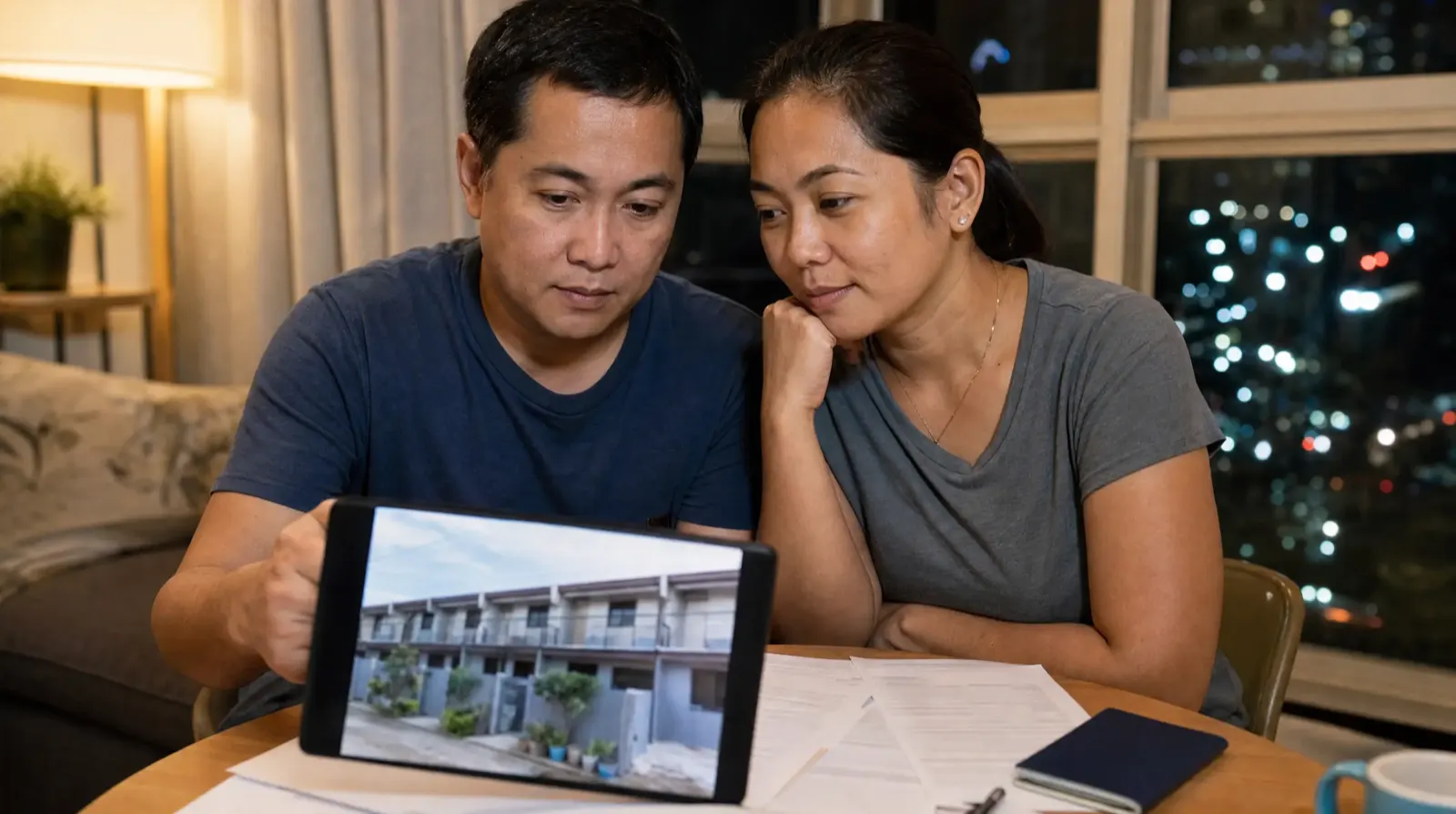
For most OFWs, a good first rental property investment in the Philippines is the one that rents easily near jobs and schools, that you can afford without straining your remittances, and that someone you trust can look after. That's often a small house, a few apartment doors in a growing town, or a ready-for-occupancy condo in a proven location, not the flashiest pre-selling tower. Buy with savings or a Pag-IBIG housing loan, check the numbers after dues and taxes, and set up an SPA and a management system before your first tenant moves in. This guide covers choosing and buying, as of November 2026.
Not financial, legal or tax advice: This is general information as of November 2026. Loan terms, interest rates and tax rules change. Confirm details with Pag-IBIG Fund, your bank, a licensed real estate broker, a lawyer or an accountant before you commit money.
Already own a property and want to rent it out? Our OFW landlord guide to renting out from abroad covers leases, BIR registration and collecting rent in detail. This guide is about the step before that: what to buy and how to pay for it.
Is rental property a good investment for OFWs?
It can be, if you go in with realistic expectations. Rental property gives your family a tangible asset and monthly income that doesn't depend on your contract being renewed. But it's not passive. Units sit vacant, tenants pay late, roofs leak during typhoon season, and condo dues and real property tax are due whether or not the unit is rented.
Ask yourself three questions first:
- Do I have an emergency fund separate from this purchase? Don't put your only savings into a down payment.
- Can I pay the amortization even if the unit is empty for several months? If not, the property is too expensive for now.
- Who will be my eyes on the ground? A property without a reliable caretaker or manager is a risk when you're thousands of kilometers away.
If you're weighing broader goals for the next few years, see our 2027 real estate investment outlook.
Condo, house or apartment units: which should an OFW buy?
| Type | Good for | Watch out for |
|---|---|---|
| Condo unit (studio or 1BR) | Lower entry price in cities; building security and admin; easy to rent near offices, schools and hospitals | Monthly association dues; building rules on leasing; oversupply in some Metro Manila areas; pre-selling delays |
| House and lot in a subdivision | Family tenants who stay longer; land component; can also be your family's future home | Repairs and upkeep fall on you; HOA rules; flooding in some areas; longer commutes |
| Apartment doors / rowhouse units | Several rent streams from one lot, so one vacancy hurts less; popular in growing towns | Construction and permits; more tenants to manage; needs an active caretaker |
| Boarding house or dorm rooms | Strong demand near universities and hospitals | High turnover; more wear; utilities and house rules to manage |
Condos: choose the building, not the brochure
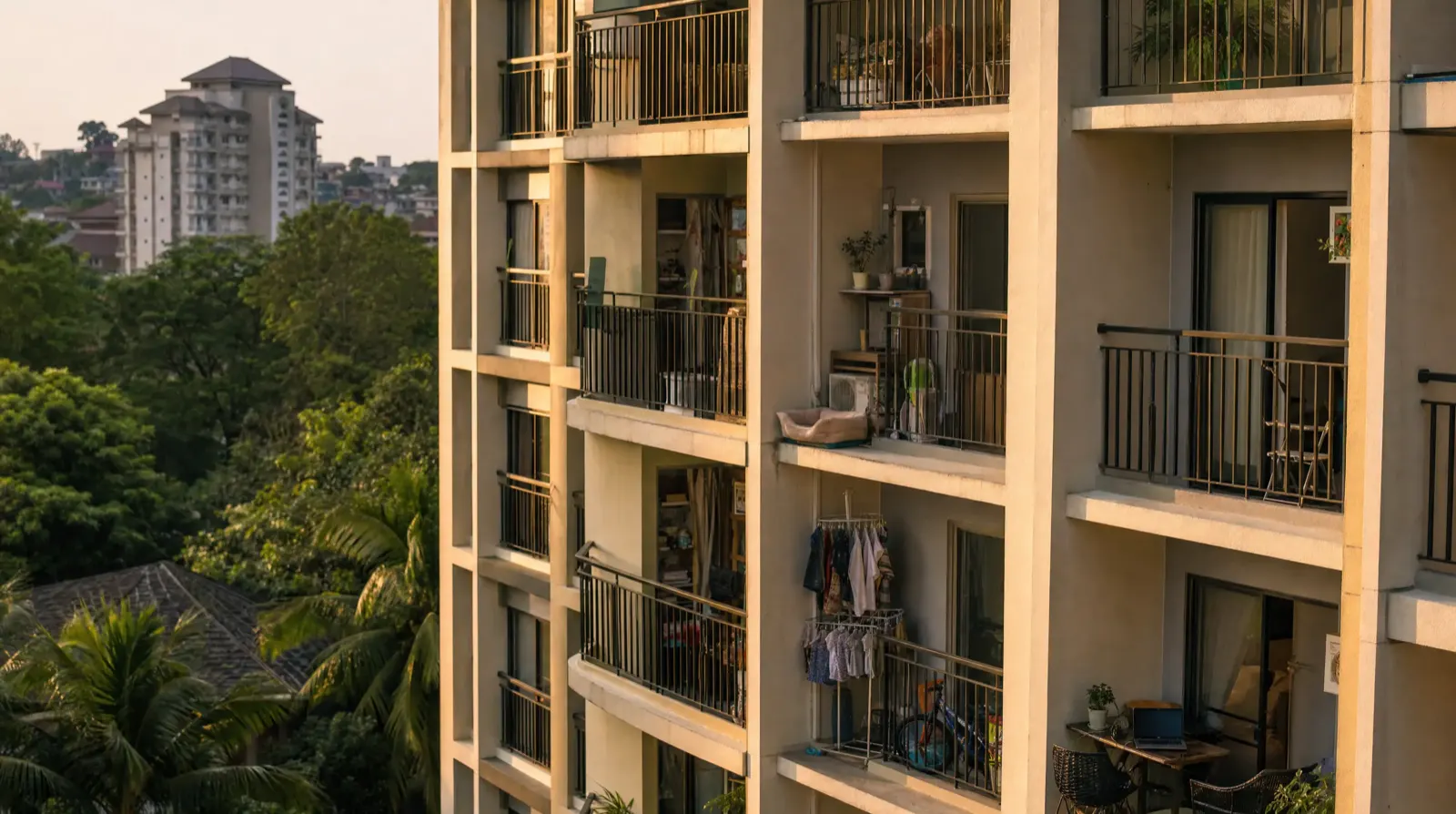
Condos suit OFWs who want a lower-maintenance asset with a building admin on site. The key is location and the building's actual rental demand. As of mid-2026, Colliers Philippines reported Metro Manila secondary condo vacancy near 25%, with some districts much higher than others. Prefer a ready-for-occupancy (RFO) unit in an established area where you can see real rental listings in the same building. Browse current asking rents on Quezon City condos or other cities to compare. Our guide to condos renters look for shows what tenants value.
Houses and apartment doors: steady family tenants
Many OFW families build apartment doors on a lot they already own, or buy a house in a growing town near industrial parks, schools or provincial business districts. Tenants here are often families who stay for years. See what's renting in Santa Rosa, Laguna, and read our guide to cities to rent in outside Metro Manila for provincial demand.
How OFWs pay for rental property
Cash from savings
Paying cash avoids interest and gives you the full rent as income from day one. Many OFWs combine savings with an RFO discount. The trade-off is concentration: much of your savings ends up in one illiquid asset.
Pag-IBIG housing loan
OFWs who are Pag-IBIG members can apply for a Pag-IBIG housing loan. In May 2026, Pag-IBIG Fund raised its maximum housing loan to ₱10 million per borrower, from ₱6 million, payable over up to 30 years and still subject to credit evaluation, capacity to pay and collateral appraisal. Mid-2026 promo rates were reported from 3% for qualified socialized housing borrowers and about 5.75% for larger loans, depending on the fixing period.
- Applicants generally need a minimum number of monthly contributions (commonly cited as 24), and OFWs can usually settle a shortfall in a lump sum.
- Ask Pag-IBIG about current rates, age limits, OFW documents, and any rules on renting out a property bought with the loan.
- Confirm everything with Pag-IBIG Fund or a Pag-IBIG overseas desk, since terms change.
Bank housing loans and in-house developer financing
Banks lend to OFWs too, often requiring proof of overseas income and a co-borrower or attorney-in-fact in the Philippines. In-house developer financing is easier to qualify for but is usually more expensive. Always compare the total amount you'll pay, not just the monthly amortization.
Will the rent cover the costs? Do the math first
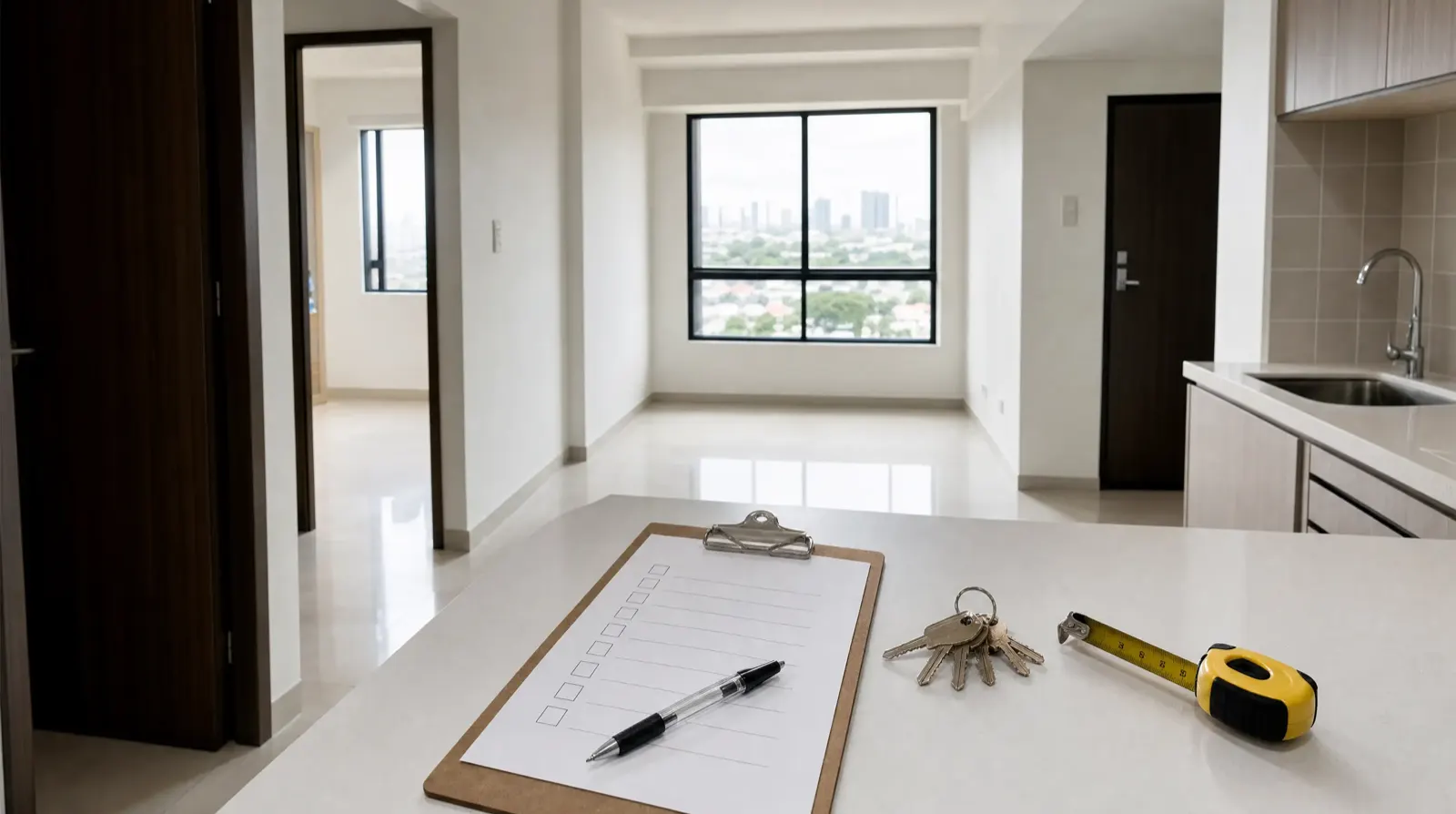
Gross rent is not profit. Before buying, list every recurring cost:
- Monthly amortization (if financed)
- Condo association or HOA dues
- Real property tax (amilyar), set by the LGU
- Repairs and maintenance, including aircon cleaning and repainting between tenants
- Caretaker or property manager fees, and broker commissions when you find tenants
- Insurance, if you get it
- Income tax on rent
- Vacancy: assume the unit will be empty for some weeks or months each year
Also budget one-time purchase costs: on a resale, documentary stamp tax (1.5%), local transfer tax and Registry of Deeds fees, plus capital gains tax (6%), which by law is the seller's but is sometimes negotiated. Plug your numbers into the landlord yield mode of our rent calculator to see the net return. If it only works with 100% occupancy and no repairs, keep looking.
Pre-selling vs ready-for-occupancy: what OFWs should check
- License to Sell: under PD 957, developers need a License to Sell before selling subdivision lots or condo units. Ask for a copy and verify it with DHSUD.
- Developer track record: visit finished projects by the same developer and check turnover delays.
- Flood and hazard risk: check the address on HazardHunterPH and see our typhoon and flood checklist.
- Leasing rules: some condos and subdivisions restrict short-term rentals or require tenant registration.
- Title and taxes: on a resale, check the title at the Registry of Deeds and confirm real property tax is paid up.
Pre-selling can be cheaper, but you wait years for turnover and earn nothing in the meantime. RFO costs more upfront but can start earning sooner.
Managing the purchase and the property from abroad
Special power of attorney (SPA)
If you can't be home to sign deeds, loan documents or a lease, you'll need an SPA naming your representative and listing the specific acts they can do. If you're in an Apostille Convention country, the SPA is notarized there and then apostilled. Otherwise, it's done at a Philippine Embassy or Consulate. Our OFW landlord guide explains what an SPA for leasing should cover.
Family, caretaker or property manager?
A relative is the usual choice, but agree in writing what they handle and how they're compensated. Family arrangements work best when everyone can see the same records. For multiple doors or units, a professional property manager may be worth the fee. Our guide to types of landlords can help you decide what kind of owner you want to be, and what to expect from whoever screens your tenants.
Collecting rent alongside remittances
Keep rent separate from family remittances. Have tenants pay into an account in your name, or online, rather than in cash to a relative. Mixing the two makes it hard to know whether the property is actually profitable. It also makes your tax records harder to keep.
A rental management app helps when you're in another time zone. RentCircle, our own app, lets you track tenants and units, send invoices and automatic SMS and email reminders, and let tenants pay online or upload payment proof through the PayRent.to portal. Your caretaker can be added as a team member with set permissions, so you both see the same payments, expenses and maintenance requests. Every new landlord account starts a 7-day free trial automatically, with no card needed to start; get it from our download page.
Taxes OFWs should know about
Rent from property in the Philippines is Philippine-source income, so it's taxable even if you're an OFW. You'll generally need to register with the BIR and file returns, and you'll pay real property tax to the LGU every year. Our rental income tax guide explains the options, including the 8% option and VAT thresholds. Talk to an accountant before your first tenant moves in.
OFW rental investment checklist
- Emergency fund set aside, separate from the down payment
- Budget that survives several months of vacancy
- Location checked for rental demand, commute and flood risk
- License to Sell (pre-selling) or clean title (resale) verified
- Financing compared: cash, Pag-IBIG, bank, in-house
- Net yield calculated after dues, taxes, repairs and vacancy
- SPA executed for your representative
- BIR registration plan with an accountant
- Rent collection and record-keeping system ready
For more, see our full landlord checklist.
Bottom line
The best OFW rental investment is boring: affordable, in a place people already want to live, with numbers that work even with some vacancy, and someone trustworthy looking after it. Do your homework before you sign, keep rent separate from remittances, and set up your management system from day one. When the unit is ready, list it free and manage your tenants on RentCircle for landlords.
Budgeting a move? Try the free rent & move-in cost calculator.
For property owners
Own a unit here? List it free and find a tenant directly.
Post up to 3 listings free, with no commission. Renters message you directly. When someone moves in, try the RentCircle app free to send invoices, rent reminders and collect payments.
Browse live rentals
Real listings from verified landlords — inquire directly, no commission.
Frequently asked questions
What is the best rental property for an OFW to buy in the Philippines?
There's no single best type. Many OFWs do well with a small house or a few apartment doors in a growing town, or a ready-for-occupancy condo in an established area with proven rental demand. Choose based on your budget, local demand and who will manage it.
Can OFWs get a Pag-IBIG housing loan?
Yes. OFWs who are Pag-IBIG members can apply. As of May 2026 the maximum loan is ₱10 million, payable over up to 30 years, subject to credit evaluation and capacity to pay. Confirm current rates and requirements with Pag-IBIG Fund.
Is a pre-selling condo a good investment for OFWs?
It can be cheaper, but you earn no rent until turnover and you carry the risk of delays. As of mid-2026, Metro Manila condo vacancy was near 25%, so check rental demand in that exact area and verify the developer's License to Sell with DHSUD.
Do I need an SPA to buy property in the Philippines while abroad?
If someone in the Philippines will sign documents for you, you'll need a special power of attorney listing the specific acts they can do. It's apostilled in Apostille Convention countries or done at a Philippine Embassy or Consulate elsewhere.
Do OFWs pay tax on rental income from the Philippines?
Yes. Rent from Philippine property is Philippine-source income and is taxable even for OFWs. Register with the BIR and consult an accountant on the right tax option.
What renters & landlords are saying
Share your experience with “OFW Rental Property Investment in the Philippines: What to Buy and How” — rent you pay, commute tips, what to watch out for.